HERE ARE JUST FOUR of the many ways in which greenbelts can be used to the advantage of nearby cities.

Canada's Environmental Voice

HERE ARE JUST FOUR of the many ways in which greenbelts can be used to the advantage of nearby cities.
From the lookout at the top of Mount Royal, you can see how the city rolls out upon the great plain of the St. Lawrence Valley. In the foreground are the tightly knit neighbourhoods and narrow streets that make Montreal so liveable, the historic McGill campus and the city’s distinctive […]
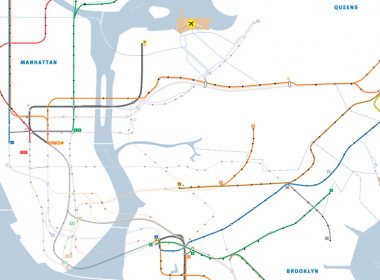
NEW YORK CITY’S METROPOLITAN TRANSPORTATION AUTHORITY (MTA) called the devastation and flooding during last fall’s Hurricane Sandy the biggest disaster the subway system had ever endured. At the first post-storm board meeting, MTA chairman Joe Lhota insisted that “the burden of Sandy will not be upon our riders,” and 80 […]

A\J’s March/April issue will explore the planet’s greenbelts and their impacts and challenges as a land management and community building tool. As an introduction, we’ve put together this historical timeline of greenbelt growth. Take a sneak peek at the issue here. 7th century – The Prophet Muhammad prohibits the removal […]

This article was originally published at the Network for Business Sustainability’s Thought Leaders blog. Cut back. Reduce harm. Do without. Use less stuff. Be less bad. Stripped down to these blunt phrases, the prevalent narrative surrounding sustainability — one based on ideas about constraints, limits and damage mitigation — is […]
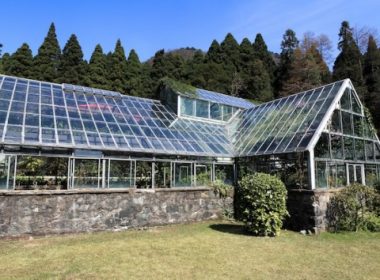
The University of Waterloo is introducing a new ‘innovation hub’ for upper year students with a passion for the environment and social development. Modeled after the successful VeloCity community (which fosters and supports student entrepreneurial ventures on campus), GreenHouse will offer students a new way to take action on issues […]

Originally published on the WWF-Canada blog.

It’s been said that every migrant to a mountain town idealizes that town in exactly the form it existed in on the day they arrived. In The Weekender Effect, Canmore, Alberta-based author and water use expert Robert Sandford suffers from a severe case of this particular nostalgia.

The flow of information and ideas between community residents and policy makers is often a one-way street. When someone tries to flip that idea on its head, it seems almost utopian – until you realize that the flipside is how things ought to be. Enter the Yes In My Back […]

Open Mind Developments Corporation (OMD) is reimagining conventional plastic as flaxstic. Flaxstic mixes flax fibre and shive from flax straw (an agricultural waste product) with biopolymers made from renewable non-food crops. OMD is making a biodegradable and compostable smartphone case from the material.