EACH WEEK, A\J staffers share our favourite facts & findings from whatever books, articles, documentaries, podcasts and other media we’ve been consuming. Here’s what we’ve learned this week – from videos!

Canada's Environmental Voice


EACH WEEK, A\J staffers share our favourite facts & findings from whatever books, articles, documentaries, podcasts and other media we’ve been consuming. Here’s what we’ve learned this week – from videos!

EACH WEEK, A\J staffers share our favourite facts & findings from whatever books, articles, documentaries, podcasts and other media we’ve been consuming. Here’s what we’ve learned this week.

Should the financial burden of removing all plastic debris from the Great Lakes fall on the shoulders of the 36 million people within the basin, researchers now have an estimate of the cleanup costs: $486-million (US).

EACH WEEK, A\J staffers will be sharing our favourite facts & findings from whatever books, articles, documentaries, podcasts and other media we’ve been consuming. Here’s what we’ve learned this week.
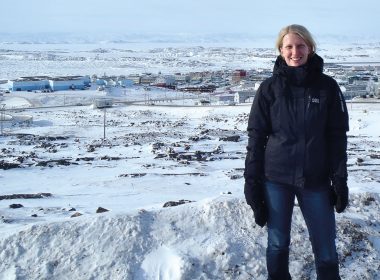
THE WORLD HEALTH ORGANIZATION has identified three major areas in which climate change may impact global health: waterborne and foodborne diseases; malnutrition and food availability; and vector-borne diseases, such as malaria, which is spreading as mosquitoes follow rising temperatures to new locations.
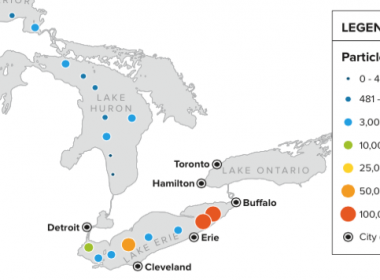
CHEMISTRY PROFESSOR Sherri Mason made a splash in 2012 when she and a crew of 20 graduate students from the State University of New York at Fredonia set sail on the Great Lakes in search of plastic. Aboard the Flagship Niagara, a wooden replica of a War of 1812 tall […]
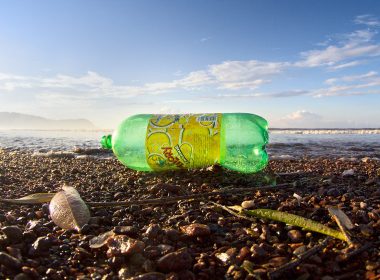
Pointing to Polluters USA After a three-and-a-half-year study, researchers at the University of Georgia determined that between 4.8 and 12.7 million tonnes of plastic trash flowed into the world’s oceans in 2010 from 192 coastal countries.

An estimated 400,000 people showed their solidarity and support for climate action in New York City at what is now known as the largest climate march in history – and that doesn’t include the 2,646 solidarity events held in over 160 countries around the world.

Neonicotinoids – commonly known as neonics – are the most widely used insecticide in the world. Some are considered to be up to 10,000 times more toxic than DDT. On November 25, 2014, the Government of Ontario announced a bold plan to reduce neonics’ use on corn and soybean crops in the […]
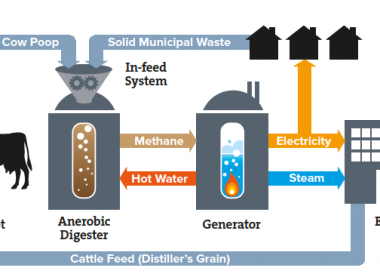
Some people, when handed lemons, make lemonade. Other people, like family farmer Bern Kotelko of Alberta, redefine what it means to get lemons, reframe the challenge of making juice from them, and create something far more useful and self-sustaining than lemonade. At least, that’s what Kotelko did when life handed […]