A\J’s Fashion issue explores the social and ecological impacts of “fast fashion.” In “Picking Up the Threads,” Kelly Drennan of Fashion Takes Action explains how low prices and über-trendiness come at the expense of both people and the environment.

Canada's Environmental Voice

A\J’s Fashion issue explores the social and ecological impacts of “fast fashion.” In “Picking Up the Threads,” Kelly Drennan of Fashion Takes Action explains how low prices and über-trendiness come at the expense of both people and the environment.

Much of the advice out there for reducing your fashion footprint involves buying more sustainably made (and often expensive) clothes. But there are a number of ways – many of which we explore in our new Fashion issue – you can lower your impact that save money, both in the short- and long-term.

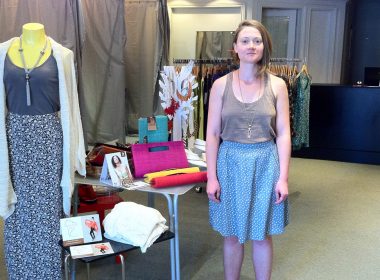
Our go-to style expert Isabel Slone presents a lineup of outfits and products that proves sustainability and style can go hand-in-hand. What makes these clothes sustainable? Slone prioritized natural materials, high quality, ethical labour and shopping at local businesses.
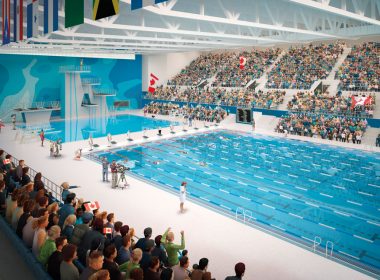
Constructing unique world-class competition facilities for multisport events often leaves behind overbuilt, expensive and underused relics. With this harsh reality in mind, organizers for this summer’s Pan Am and Parapan Am Games in Toronto are taking lessons from other host cities to develop best practices for infrastructure design and construction […]

Think back to the old folk tale “The Little Red Hen.” In the tale, the red hen’s friends sit idly while she grows the wheat to get the grain to make the flour that eventually makes the bread – that, of course, all the animals want to eat. The moral […]

SWIMBYISM: {swīm-bi: izem} It’s a new word I just learned and it stands for “something wonderful in my backyard.” It also perfectly describes a movement of relocalizing fibres and textiles in regional communities that is gaining interest in North America and Europe – it’s called Fibreshed, and it’s dramatically changing […]
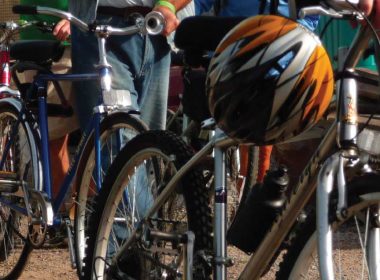
Most people don’t exercise enough. According to the Heart and Stroke Foundation, only seven per cent of Canadian kids get 60-plus minutes of moderate to vigorous activity every day, and about half of all men and women above age 12 are considered physically inactive.

The Globe and Mail recently published an article about the broken state of Canada’s Food Guide. The article points to a number of things wrong with our national food guide.

The Waakebiness-Bryce Institute for Indigenous Health is the world’s first privately endowed research institute dedicated to the health of Indigenous Peoples. Created last June with a $10-million gift from Michael and Amira Dan, the institute was unveiled on March 23 of this year at the University of Toronto’s Dalla Lana […]

I’m travelling the world looking for answers. And on a beach in Thailand, I may have figured out why environmentalists’ messages fall on deaf ears. I was reminded of a video on YouTube of a couple on a beach in Thailand. It is December 26, 2004, 9:15 am. They […]